THE BASELINE.


THE NUMBER
billion riyals what the government spent on financing costs in the first nine months of 2026, up 38%
Most reports last week focused on the SAR 84.3 billion third-quarter deficit. But a key detail is further down in the Ministry of Finance's report. Employee compensation, the largest budget item, increased 1% to SAR 435.8 billion. Capital spending went up 17%. Financing costs jumped 38%, and only subsidies grew faster among the reported lines. By our calculation, that's about one riyal out of every twenty from the SAR 1.10 trillion spent. Borrowing is getting more expensive for everyone. November's Sah savings sukuk pays 5.13%, up from 5.00% in October. If your 2027 plans depend on government spending, watch this line in December's budget. Interest is the one bill ministries can't delay.
THREE SIGNALS
Saudi Arabia ran a Q3 budget deficit of SAR 84.3 billion, as oil revenue fell 23% to SAR 116.5 billion while non-oil revenue rose 20% to SAR 142.6 billion. That took the nine-month deficit to SAR 244.3 billion, against a full-year projection of SAR 165.4 billion.
The SAR 244.3bn nine-month deficit does not itself imply payment delays. Government contractors should monitor receivables and update cash-flow forecasts based on actual collection times.
Abdullah Alkherb
Aramco's adjusted net income rose 9% to SAR 117 billion in Q3 2026, from SAR 107.2 billion a year earlier. Free cash flow rose to SAR 105.8 billion from SAR 88.4 billion, and adjusted EBIT in refining, chemicals and marketing rose 234% on better refining margins. The board declared a SAR 82.1 billion base dividend, up 3.5%. Reported net profit rose 41.3% to SAR 137.4 billion, against expectations of SAR 110.8 billion.
This quarter’s growth was driven by higher refining margins, not by increased volumes. Treasury teams at Aramco’s suppliers should plan for 2027 with the expectation that these margins will shrink when supply returns to normal.
Osamah Alfadda
New residential mortgages from banks to individuals fell 5% year on year in September to about SAR 5.53 billion, from SAR 5.82 billion. Banks signed about 9,680 contracts, and the average new mortgage fell 21% to about SAR 571,000. Villas took the largest share at SAR 3.8 billion, or 69%, according to SAMA data.
The average loan dropped much more than the total, which means buyers are taking out smaller loans instead of leaving the market. If you’re a developer selling off-plan, set your next phase’s price based on the current average loan, not last year’s.
Mohammed Altuwaijri
THE MOVE
PIF's downtown company pays its developer in profit
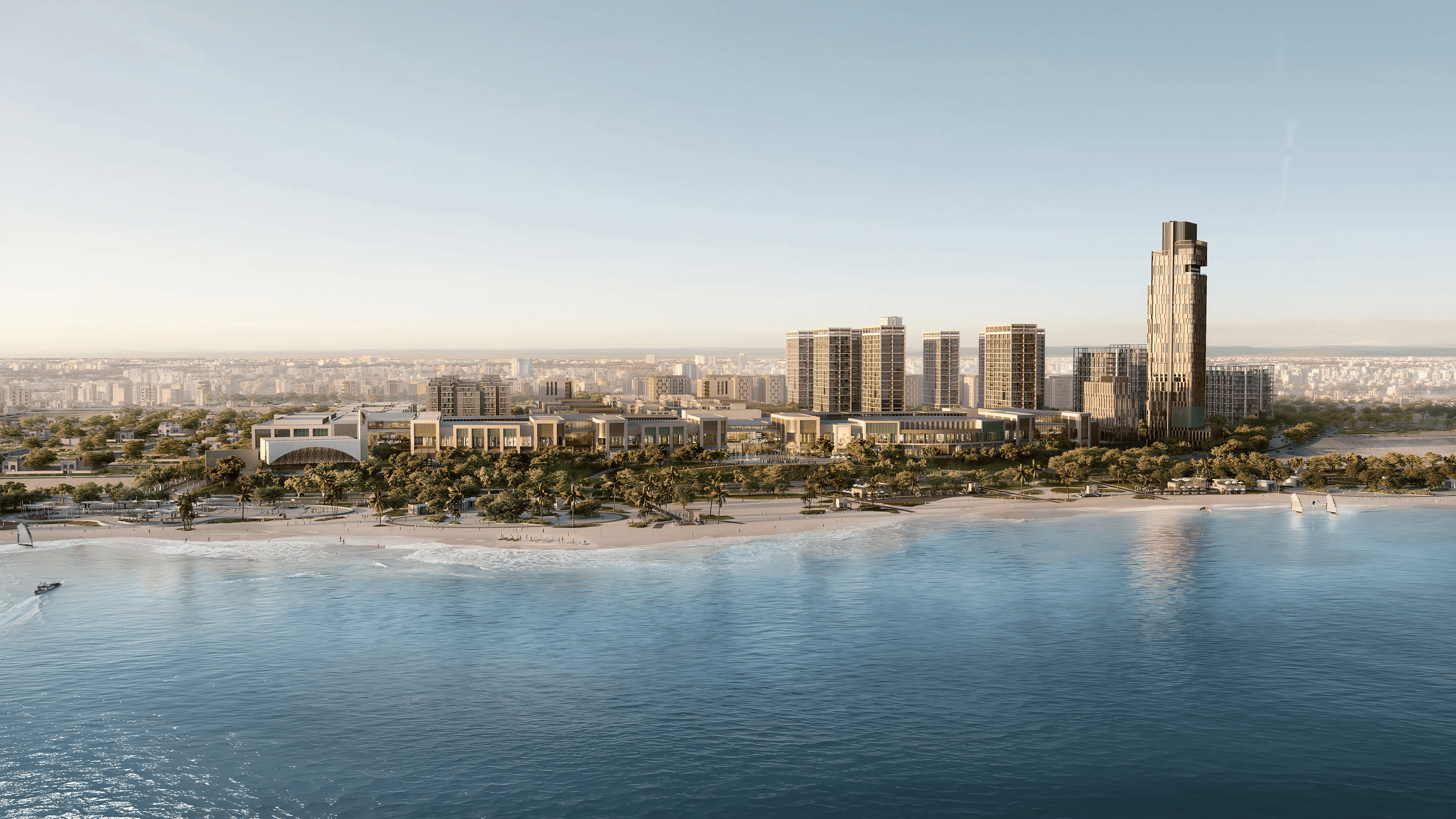
On November 1, the Eastern Province governor launched Saudi Downtown Co.’s Khobar Downtown, a waterfront project spanning over 829,000 square meters, with more than 4,000 homes and 500 hotel rooms. The next day, Sumou Real Estate signed three 48-month agreements to develop and sell residential plots. SDC is providing the land; Sumou will partially invest and fund remaining costs through off-plan sales. Sumou will receive 6.5% of development costs, 2% of sales, and 32% of each project's net profit. (Argaam)
The landowner contributes land and keeps 68% of profits before fees. The developer assumes construction risk, using buyers’ funds as off-plan sales come in. Signal 3 shows buyers are borrowing less. That week, Riyadh Municipality sought bids for its first private-sector joint land investment: a 50-year project on 30,000 square meters in the city’s north, with the partner responsible for design, construction, operation, and maintenance. In four days, two public landowners offered land instead of funding.
Sumou first off-plan launch in Khobar, along with the price per square metre. It's worth checking if SDC applies the same split in its other downtown locations. Bids for Riyadh close on 3 February 2027. For developers without a land bank, 6.5 / 2 / 32 now serves as a published benchmark for what a public landowner will pay.
FROM THE FIELD
Last week, Retal's CEO said mortgage demand is still strong. He pointed to SAMA's September data, noting contracts are up 21% and the value is stable. But the same release shows the total value is actually down 5%, and the average loan has dropped 21%. He focused on the number of contracts and left out the value. If an executive quotes public data to you, whether in a pitch or on an earnings call, take a few minutes to check the release yourself. Often, the part they skip is the part you really need to see.