THE BASELINE.


THE NUMBER
billion riyals what Indonesia's sovereign fund paid for a hotel and 14 plots in Makkah, making it the first foreign state to own property there
Three weeks ago, in Issue 11, Alramz secured around SAR 670 million in Makkah bookings from buyers in 51 countries under the new non-Saudi ownership law. Last week, a country made a move. Danantara took ownership of the 1,461-room Novotel Thakher Makkah and 14 nearby plots, completing the deal ten months after signing. The hotel will host about 4,400 Indonesian pilgrims each Hajj season. With Indonesia's quota at 203,320, that's roughly 2%. The bigger opportunity is in the plots: plans include hotels with about 6,000 more rooms and a mall, worth over another SR2 billion. This shows Indonesia is shifting from seasonal rentals to owning its own rooms. If you manage a Makkah hotel that relies on block contracts from national missions during Hajj, your largest clients now have an option to stop renting.
THREE SIGNALS
UAE developer Arada launched Arada KSA with local partner Xtopia, giving it access to a 10 million sqm land portfolio worth SAR 50 billion in Riyadh, Jeddah and Makkah; its first project is a SAR 14 billion community of about 3,500 villas and townhouses on around 2.5 million sqm in Riyadh's Al Rimal district, funded through a CMA-regulated structure, with sales and construction starting in 2027.
Launching a SAR 14 billion project in a slow market is a big gamble on Saudi housing demand. If you handle land acquisition for a local developer, expect strong new competition for every large plot.
Abdullah Alkherb
The Ministry of Investment said Saudi Arabia leads 2027 growth forecasts among G20 countries at 7.9%, based on IMF data for October 2026, ahead of India at 7.0%, Indonesia at 5.1% and China at 4.0%. In the same IMF ranking, the US is forecast at 2.3% and the UK at 1.2%.
Leading the G20 at 7.9% strengthens the case for patient capital, so investor-relations heads at Saudi listed companies should anchor their 2027 story to the IMF figure rather than to this month's share prices.
Abdulrahman Al Mottahar
Saudi banks' Q3 2026 profit grew 4.8% to about SAR 24.75 billion, the slowest growth since Q4 2020, even though net financing and investment income rose 11.4% and net financing income rose 9.1% to SAR 29.3 billion. Provisions rose 50% to nearly SAR 3 billion, lifting the cost of risk from about 26 to 36 basis points. Al Rajhi, Riyad Bank and BSF together took about 95% of the increase in net profit.
Net financing income increased by 9.1%, but profit was up just 4.8%, marking the slowest growth since Q4 2020. Equity analysts covering Saudi banks should focus their Q4 forecasts more on provisions than on lending growth.
Osamah Alfadda
THE MOVE
Private equity buys into the forecourt
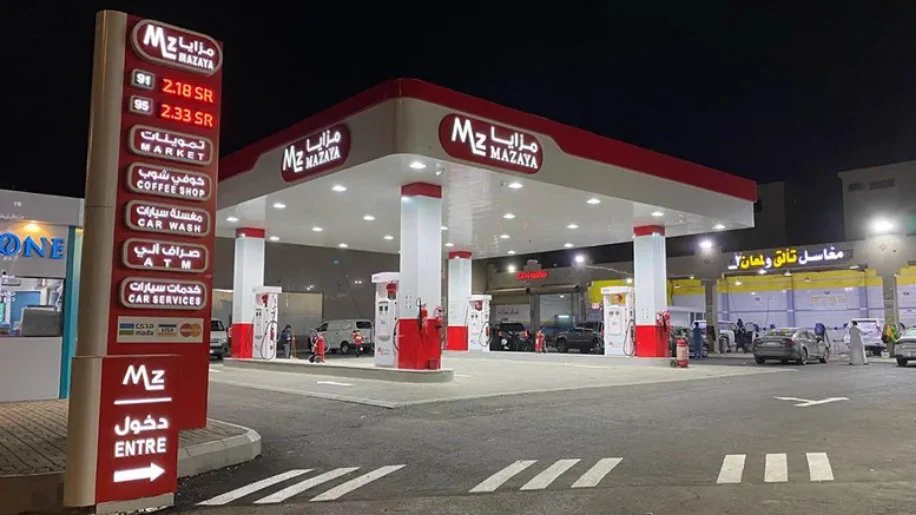
Alt Capital, a Riyadh private equity firm regulated by the CMA, signed an agreement to buy a significant minority stake in Mazaya. Mazaya runs more than 250 fuel-station and transport locations, and expects annualised revenue of SAR 2 billion in 2026. The deal still needs regulatory approval. Alt Capital's chief executive called it "the first step in a broader strategy to consolidate the market". (Argaam)
The market leader’s latest numbers, released the same week, show what scale looks like. Aldrees operated 1,437 stations at the end of September, adding 137 since January. The CEO also noted that Naqel, their SAR 308 million logistics arm, contributed more to the quarter’s results than SAR 7.67 billion in fuel sales. To us, that sums up the case for consolidation: fuel pumps drive volume, but scale lets you profit from everything else.
The approval, then the second deal, since "first step" promises one. Remember, SAR 2 billion as an "expected annualised" figure is just a yearly forecast, not an actual result. If you own a few stations along a highway, there is now a buyer with funding who plans to acquire businesses like yours. Make sure you have your own numbers ready before they contact you.
FROM THE FIELD
Qiwa groups businesses into seven sizes based on employee count. Its 'small B' category covers companies with 6 to 49 workers. Monsha'at, by contrast, uses four categories based on both staff numbers and revenue. For Monsha'at, a small business has 6 to 49 employees and generates more than SAR 3 million but no more than SAR 40 million. This means the same company might be classified differently by each agency. So, before you apply for an SME program, check which definition the application uses. That will determine your eligibility.