THE BASELINE.

THE NUMBER
of shares sold, net, by Saudi individuals in the year to 1 October
In the 38 weeks leading up to October 1, Saudi individuals were net sellers on Tadawul, offloading about SR22 billion and selling in 27 of those weeks. When TASI rose in 20 of those weeks, individuals sold about SR26.4 billion and were sellers in 19 of those weeks, while most buying came from foreign investors and Saudi institutions. When the market dropped, the pattern reversed: individuals bought SR4.4 billion, and foreigners sold SR5.9 billion. Since every riyal bought is also a riyal sold, these numbers show which groups were on each side of the trades, not who set the prices. If you handle investor relations for a listed company, your main buyers this year have been institutions rather than individual households.
THREE SIGNALS
Derivatives trading on Saudi Exchange rose to about SAR 1.157 billion in September 2026, from SAR 404.9 million in August and SAR 280,000 in July, after no trading at all in H1 2026. Contracts traded rose to 26,510 from 9,725, and transactions to 5,526 from about 1,990. Analysts surveyed by Argaam linked the surge to regulatory enhancements that took effect on 19 August, which cut trading costs and improved capital efficiency.
Analysts link the increase to the changes made on 19 August and believe that growth will require support from more institutions. So a fund manager's risk committee should set a derivatives policy now, instead of waiting for liquidity to stabilize.
Mohammed Altuwaijri
Digital ad spending in Saudi Arabia rose 25% to about $300 million in the 12 months to July 2026, while impressions rose 15% to about 330 billion (Sensor Tower). Instagram led all channels at about $110 million, and Sensor Tower expects about $334 million for 2026.
Marketing spend is growing faster than impressions. If you are planning for 2027, expect higher cost per view rather than relying on this year's rates.
Abdullah Alkherb
Saudi Arabia's General Authority for Competition opened a public consultation on Uber Technologies' acquisition of Delivery Hero, which includes HungerStation, wholly owned by Delivery Hero in Saudi Arabia. Uber's July 2026 offer of €41.50 per share values Delivery Hero at about €13 billion, and the deal is expected to close in H2 2027 subject to approvals. Feedback is open until Oct. 20.
The deal is set to close in the second half of 2027, once it gets all the necessary approvals. During the consultation period, a rival Saudi delivery app could make its case for limits on the combined group's market share.
Osamah Alfadda
THE MOVE
Aramco tests lithium with the tools it has
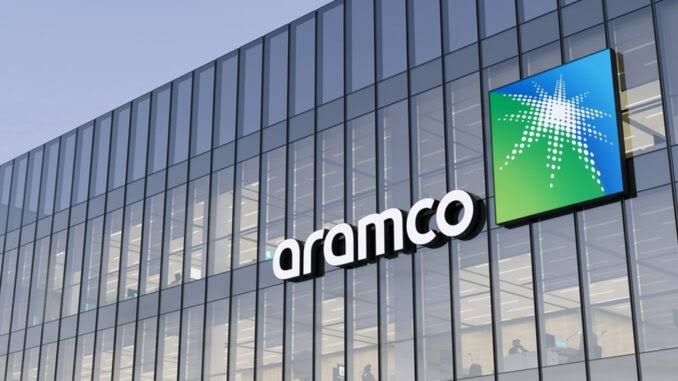
Aramco awarded NESR a five-year contract worth almost $200 million for a pilot lithium project, the Kingdom's first. It targets 2,000 tonnes a year of battery-grade lithium carbonate from late 2027. The process treats brine and extracts the lithium directly, combining Aramco's subsurface expertise with NESR's technology. (Argaam)
The coverage read this as Aramco entering mining, but the contract tells a different story. Aramco hired an oilfield services company, not a miner, and the work is brine handling and subsurface knowledge, which is the part of the problem it already knows. The structure shows the approach: existing capability, pilot scale, and a contractor bringing the technology. According to NESR, producing 2,000 tonnes a year is considered a pilot volume, not enough for a full supply operation.
The first production is expected in late 2027, but it is still unclear if Aramco will decide to expand after the pilot. Riyadh Energy Week is happening now. If you are planning a battery or EV supply chain in Saudi Arabia, avoid including Saudi lithium in your sourcing plans until the pilot results are available.
FROM THE FIELD
The 12th Riyadh Economic Forum opens tomorrow, 12 October. Its five studies cover traffic congestion in big cities; localizing knowledge and expertise; smart farming and AI for food and water security; the impact of legislation and public policy on development; and the returns from hosting Expo 2030 and the 2034 World Cup. If you're attending, read the study closest to your sector before you go, and arrive with one question about its recommendations, not a stack of cards.