من الجهة الأخرى للطاولة
ماذا تعني نتائج البنوك السعودية القياسية في النصف الأول إذا كنت أنت المقترض
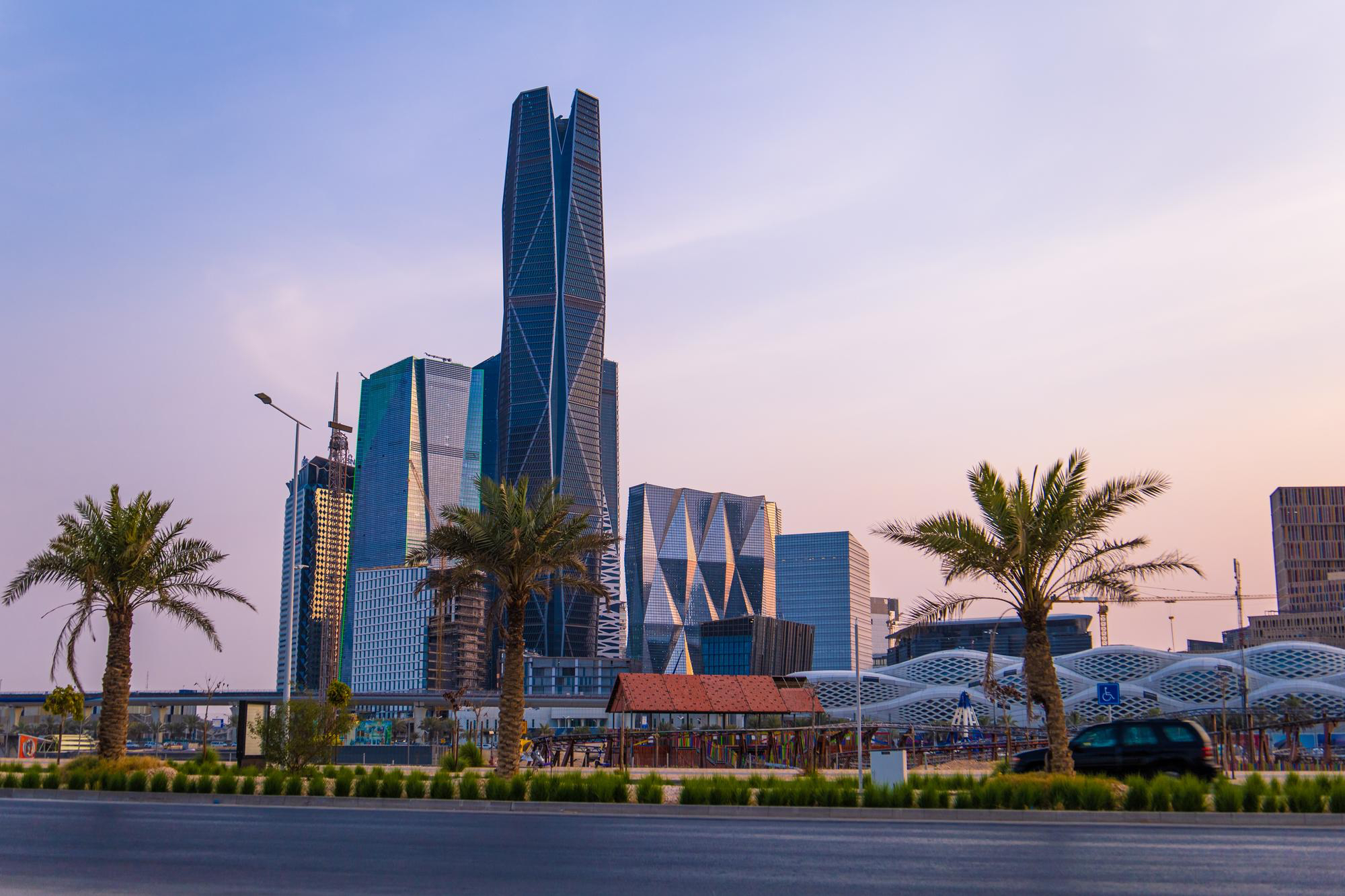
أعلنت البنوك السعودية المدرجة عن واحد من أفضل أدائها النصف سنوي على الإطلاق. حيث حقّق مصرف الراجحي أرباحًا بلغت 13.76 مليار ريال، متجاوزاً البنك الأهلي السعودي للمرة الأولى. كما ارتفعت التوزيعات، وأبدى المحللون رضاهم.
قرَأَت العناوين كلها هذه النتائج بوصفها خبراً ساراً للمساهمين، وهي كذلك. لكننا نقرأها على نحو مختلف. نتائج البنوك وثيقة عامة مفصّلة تكشف من يستطيع الوصول إلى النقد في المملكة، وبأي شروط، وإلى أين يتّجه رأس المال بعد ذلك. ولمن يدير شركة في المملكة، أو برنامجاً في وزارة، أو يفكّر في توسعة شركة عائلية، تجيب إفصاحات النصف الأول عن أسئلة أهم بكثير من سؤال شراء أسهم البنوك. غير أن قلّة قليلة تقرأها بهذه العين. وهذا ما نحاول سبر أغواره هنا.
لوحة السياق
يناير
تاسي يفتتح العام عند أدنى دوران للسيولة في سبع سنوات؛ نمو الائتمان يتباطأ فعلاً، والودائع تتجاوز القروض
1 فبراير
السوق المالية تُفتح أمام جميع المستثمرين الأجانب، وإلغاء نظام المستثمر الأجنبي المؤهل
فبراير
النزاع الإقليمي يبدأ في التأثير على السياحة والشحن والمعنويات
مارس
الربع الأول، الناتج المحلي +3.0%؛ أرباح البنوك قياسية عند 23.95 مليار ريال(+7.6%)؛ الودائع +3.9% مقابل القروض +1.6%؛ أسعار الفنادق −11%
أبريل–يونيو
الحرب تثقل على رأس المال الجريء (تمويل السعودية في النصف الأول 259 مليون دولار، الثانية بعد الإمارات)؛ البنوك تُقيَّم بأنها صامدة؛ تاسي يتراجع ثلاثة أشهر متتالية
مايو
الائتمان 3.2 تريليون ريال (+6.6% سنوياً)؛ التمويل العقاري الجديد 4.4 مليار ريال، أضعف مايو منذ 2018؛ نقاط البيع +6% سنوياً؛ أرباح أرامكو في الربع الأول 32 مليار دولار
يونيو
مؤشر مديري المشتريات53.3 (أعلى مستوى في 4 أشهر)، لكنه أشد ربع من حيث تكاليف المدخلات منذ 15 عاماً؛ البطالة عند مستوى قياسي منخفض 2.8%
يوليو
إصدارات الدين في النصف الأول 49.3 مليار دولار (48% من إجمالي الخليج)؛ الجهات السيادية تعيد تمويل 17.1 مليار ريال بآجال تمتد إلى 2041؛ إطلاق برنامج التمويل العقاري لمشتري المسكن الأول؛ صدور أرباح البنوك للنصف الأول
أولاً: لوحة النتائج
من خلال نظرة سريعة، حقّقت البنوك العشرة المدرجة مجتمعةً صافي ربح 48.8 مليار ريال في النصف الأول، مدفوعةً بارتفاع دخل التمويل والرسوم وانخفاض تكاليف التمويل. وتباينت معدلات النمو تبايناً واسعاً، من 3.44% في البنك السعودي للاستثمار إلى14.15% في الراجحي؛ أي أن أسرع البنوك نمواً توسّع بأربعة أضعاف أبطئها.
ومن النتائج اللافتة التي تستحق تركيزًا: بنك الجزيرة، أصغر العشرة من حيث الأرباح، نما 14.10%، على بُعد خطوات من الراجحي. وهذا يعني أن أسرع بنكين نمواً في المملكة يقعان على طرفَي نقيض في الحجم، وأن الفائز في هذا النصف لم يُحدَّد بالحجم.
الجدول 1 — صافي أرباح النصف الأول 2026، البنوك المدرجة
الرسم 1 — دخل أعلى وإقراض أقل
ماخلف الأرقام
لنبدأ برقم رئيسي أخطأت فيه معظم تغطيات شهر يوليو. أشارت تقارير عدة إلى أن الائتمان المصرفي «ارتفع 16.2% على أساس سنوي» — وهو رقم يخصّ مايو 2025 لا مايو 2026. ووفق نشرة ساما لشهر مايو 2026، بلغ الائتمان الممنوح للقطاع الخاص 3.2 تريليون ريال، بنمو سنوي لا يتجاوز 6.6%. والقصة الحقيقية في هذا التباطؤ: كان نمو الائتمان يراوح بين 16% و18% طوال جزء كبير من العام الماضي، ثم تراجع إلى نحو 8% في مارس، ثم إلى 6.6% في مايو، وثبت عند 6.8% في يونيو. ومن يناير إلى مايو لم ينمُ الإقراض سوى 2.2% — أقل من نصف وتيرة الفترة نفسها من 2025.
فكيف سجّلت البنوك أرباحاً قياسية بينما تباطأ الإقراض إلى هذا الحد؟ لأن التباطؤ لم يتوزّع بالتساوي؛ بل أصاب نوعاً واحداً من المقترضين: الأفراد.
الرسم 2 — مقترضان في اتجاهين
في مايو بلغ التمويل العقاري السكني الجديد 4.4 مليار ريال، بتراجع كبير عن 9.96 مليار ريال قبل عام، وهو أضعف أداء لشهر مايو منذ 2018. في المقابل يواصل ائتمان الشركات نموه: رفع الإقراض التجاري حصته من محفظة القروض لأكثر من عام، ليبلغ 55.4% من إجمالي الائتمان بحلول مايو 2025 صعوداً من 52.9%. وينمو إقراض الشركات بضعف وتيرة إقراض الأفراد. ويظهر الميل نفسه في ائتمان المنشآت الصغيرة: بلغت التسهيلات الممنوحة للمنشآت متناهية الصغر والصغيرة والمتوسطة 420.7 مليار ريال بحلول منتصف 2025، بنمو 37% سنوياً، تقدّم البنوك 94.7% منها.
باختصار: خلال الثمانية عشر شهراً الماضية انتقل المشهد المالي السعودي تدريجياً من الأفراد إلى الشركات. فإن كنت في قطاع يستهدف المستهلك، فأمامك تحدٍّ في إنفاق المستهلك قد يظهر قبل أن تلتقطه بيانات التجزئة. وإن كنت تقترض بصفتك شركة، فأنت اليوم العميل الذي تتنافس البنوك عليه.
إذاكنت تبيع للمستهلك: الإنذار المبكر
ائتمان الأفراد مؤشر مبكر على إنفاقهم. وقد ترك انخفاض التمويل العقاري أثره في سوق العقار بالفعل: تراجعت أسعار الفلل 9.7% خلال العام المنتهي في يونيو، رغم ارتفاع المؤشر العقاري العام 1.3%. كما أظهرت بيانات المبيعات في يوليو ضعفاً في معظم الفئات. وردّاً على ذلك أطلقت الدولة الشهر الماضي برنامجاً لمشتري المسكن الأول "التمويل البديل" بالتعاون مع صندوق التنمية العقارية، والبنك الأهلي السعودي، والوطنية للإسكان، بأقساط تبدأ من 699 ريالاً شهرياً بهدف معلن هو إنعاش سوق التمويل العقاري.
ولا نصنّف هذا الوضع انكماشاً استهلاكياً كاملاً بعد، فالبطالة عند مستوى قياسي منخفض بلغ 2.8%، وفعاليات الصيف يولّد إنفاقاً سيستمر جزء منه، لكن الشركات التي تخطّط لعام 2027 على أساس النمو المدفوع بالائتمان في 2024 قد تجد نفسها تعمل في سوق لم يعد قائماً. الحقيقة أن الطلب ينتقل من الشراء المموّل بالائتمان إلى الاستهلاك المموّل بالراتب، وأول من يتكيّف سيملك أكبر قدرة على التسعير.
إذاكنت تقترض: هذه هي النافذة
لمقترضي الشركات، يعكس النصف الأول ظروفاً مواتية على نحو غير معتاد، لثلاثة أسباب.
الأول: لدى البنوك رأس مال تريد توظيفه. نمت الودائع أسرع من القروض في الربع الأول، 3.9%مقابل 1.6%. وقد خفض ذلك نسبة القروض إلى الودائع في القطاع من 106.5% إلى 104.1% وفق تعريف المحللين، بينما النسبة النظامية لدى ساما — التي تحتسب التمويل المستقر بمفهوم أوسع — قريبة من 79%. والنسبتان صحيحتان، لأن كلاً منهما تقيس شيئاً مختلفاً. يضاف إلى ذلك تراجع تكاليف التمويل، وتوقّعات بخفض نحو 100 نقطة أساس بحلول نهاية 2026 مع متابعة ساما للاحتياطي الفيدرالي.
الثاني: هذه الشهية للإقراض تظهر في صفقات حقيقية لا في الأرقام الإجمالية فحسب. فقد وقّعت شركة الطاقة السعودية مؤخراً تسهيلاً بالمرابحة بقيمة 15.8 مليار ريال لسبع سنوات، دون ضمانات، مع سبعة بنوك محلية ولأغراض الشركة العامة. وشروط كهذه تُمنح عادةً في بداية دورة الإقراض لا في نهايتها.
الثالث:البنوك ليست اللاعب الوحيد. جمع المصدّرون السعوديون 49.3 مليار دولار من السندات والصكوك في النصف الأول، أي 48% من إجمالي إصدارات دول الخليج. وشكّلت الشركات — لا الجهات السيادية— نحو ثلثي إجمالي المنطقة. أما الجهات السيادية نفسها فاستغلّت يوليو لسداد 17.1 مليار ريال من الصكوك قصيرة الأجل، وأعادت الإصدار بآجال تمتد إلى 2041، مطيلةً عمر دينها بينما الطلب قوي. ويمكن للشركات أن تقرأ في ذلك نموذجاً لاستراتيجيات تمويلها.
والخلاصة العملية: إذا كانت خططك تتضمن ديناً أو توسعاً أو استحواذاً أو إعادة تمويل،فالشروط المتاحة خلال الربعين أو الثلاثة المقبلة هي على الأرجح الأفضل في هذه الدورة. تتنافس البنوك على مخاطر الشركات الجيدة تحديداً لأن قطاع التمويل العقاري، الذي كان يستوعب سيولتها، قد تباطأ. ونوافذ كهذه قد تُغلق دون إنذار.
البندالمنسيّ: سيولتك الراكدة
من نتائج سباق الودائع التي يغفلها كثيرون أن البنوك باتت تهتم بالمودعين بقدر اهتمامها بالمقترضين تقريباً. ومع تنافسها على التمويل المستقر نمت الودائع لأجل نمواً ملحوظاً، خصوصاً مع برنامج الصكوك الحكومية للأفراد بعائد 4.70% اعتباراً من أغسطس. وهذا العائد يعمل عملياً بوصفه المرجع الخالي من المخاطر للأفراد في المملكة، ويؤثر في تسعير كثير من المنتجات المالية. وبالنسبة لخزينة شركة تحتفظ بأرصدة كبيرة في الحسابات الجارية، فهذا يعني أنها تتنازل عن عائد محتمل لصالح بنكها. فمثلاً برصيد راكد متوسطه 50 مليون ريال، يصبح الفرق بين عائد صفري وسعر وديعة متفاوَض عليه مبلغاً معتبراً. ونتائج البنوك في النصف الأول تشير إلى أنها في وضع يسمح لها بدفع هذه الأسعار. وتُظهر بيانات ساما لشهر يونيو أن التحوّل جارٍ بالفعل: ارتفعت الودائع الزمنية والادخارية 25% على أساس سنوي إلى 1.375 تريليون ريال، بينما تراجعت الودائع تحت الطلب 3.2%.
الجدول 2 — ماذا تقول نتائج النصف الأول / وماذا سنفعل
ماسنراقبه في النصف الثاني من 2026
الإصدار الشهري للتمويل العقاري
أفضل مؤشر على شهية الأفراد للاقتراض، وعلى ما إذا كان برنامج الـ699 ريالاً شهرياً سيعيد تشغيله. وإذا هبط الإصدار الشهري دون 5 مليارات ريال في النصف الثاني، فذلك تأكيد أن التحوّل هيكلي لا موسمي.
المخصصات
بلغت تكلفة المخاطر في القطاع المالي 0.15% فقط في الربع الأول، مع قروض متعثرة بين 0.9% و1.1%، مستويات منخفضة على نحو غير معتاد. وإذا ارتفعت المخصصات في الربع الثالث، فقد يعني ذلك أن أرباح النصف الأول القياسية تضخّمت لأسباب تتعلق بالتوقيت.
تجربة المنشآت الصغيرة والمتوسطة
علينا أن نراقب ما إذا كان نموها — 37% سنوياً حتى منتصف 2025 — قادراً على الصمود في أول ربع صعب، أم أنه كان مجرد مطاردة للعوائد.
مسار الفائدة
خفض متوقّع بنحو 100 نقطة أساس بحلول نهاية 2026 قد يضغط هوامش البنوك ويخفض كلفة دين الشركات أكثر، لصالح المقترضين. لكنه سيشكّل تحدياً لدخل البنوك من الرسوم.
نشرة ساما الإحصائية الشهرية، مايو 2026 (ائتمان النظام 3.2 تريليون ريال، +6.6% سنوياً؛ نسبة القروض إلى الودائع النظامية نحو 79%؛ القروض المتعثرة 1.1%) — كما وردت في تحليل رأي بصحيفة Arab News، 26 يوليو 2026
• نايف الغيث، كبير الاقتصاديين في بنك الرياض، عبر Arab News — نمو الائتمان نحو 8% في مارس 2026 مقابل ذروتين سابقتين عند 16%و18%؛ نمو الودائع 8.7%
• AGBI، «Saudi banks slow lending as PIFcutbacks bite»، 3 يوليو 2026 (الائتمان يناير–مايو +2.2% مقابل +5.4%؛ التمويل العقاري في مايو 4.4 مليار ريال، أضعف مايو منذ 2018؛ تصريح Monica Malik)
• AGBI، «Saudi lending programme seeks torevive mortgage market»، 13 يوليو 2026 (التمويل العقاري في مايو 4.4 مليار ريال مقابل 9.96 مليار قبل عام، بتراجع نحو 56%؛ صندوق التنمية العقارية والبنك الأهلي والوطنية للإسكان، 699 ريالاً شهرياً)
• AGBI، «Slower lending unlikely to dent Saudibank profits»، 17 يوليو 2026 (توقعات هامش الفائدة؛ UBS وEFG Hermes)
• Arab News، «Saudi banks post strong H1results»، 21 يوليو 2026 (أرباح النصف الأول بنكاً بنكاً؛ ملاحظة: رقم 16.2%للائتمان الوارد فيه يطابق مايو 2025 وقد عُومل هنا بوصفه خطأً)
• Arab News / بيانات ساما، 18 يوليو 2025 (قروض الشركات 55.35% من الائتمان، الشركات +21.7% مقابل الأفراد +10% — تركيبة مايو 2025)
• Arab News / ساما، «SME lending in SaudiArabia surges past $112bn» (تسهيلات المنشآت متناهية الصغر والصغيرة والمتوسطة420.7 مليار ريال بنهاية الربع الثاني 2025، +37% سنوياً، والبنوك تقدّم 94.7%)
• Alvarez & Marsal، KSA Banking Pulse للربع الأول 2026، عبر Arab News، 2 يوليو 2026 (الودائع +3.9%، القروض +1.6%، نسبة القروض إلى الودائع 104.1%، هامش الفائدة 2.84%، تكلفة المخاطر 0.15%، القروض المتعثرة 0.9%)
• معال، «أرباح البنوك السعودية في الربع الثاني2026 ترتفع 8.2% إلى 24.9 مليار ريال»، يوليو 2026
• إفصاحات تداول الربعية، الربعان الأول والثاني2026 — البنك السعودي الفرنسي، وبنك الجزيرة، والبنك السعودي للاستثمار (النصف الأول محتسب كالربع الأول + الربع الثاني؛ مقارنات العام السابق من تقارير Zawya للنصف الأول 2025 وأرقام أرقام للربع الأول 2025)
• أرقام، «شركة الطاقة السعودية توقّع تسهيلاً بـ15.8 مليار ريال مع 7 بنوك»، 28 يوليو 2026
• Arab News / Markaz، «Saudi Arabia raises$49bn in H1 debt issuance»، 26 يوليو 2026
• Arab News، سداد وإعادة إصدار صكوك المركز الوطني لإدارة الدين بآجال إلى 2041، 21 يوليو 2026
• Arab News، مؤشر الأسعار العقارية من الهيئة العامة للإحصاء، الربع الثاني 2026 (الفلل −9.7%، المؤشر +1.3%)، 20 يوليو 2026
• Arab News، إنفاق نقاط البيع للأسبوع المنتهي في 11 يوليو 2026 (14.2 مليار ريال، −15.9% أسبوعياً، وتراجع كل الفئات عدا الفنادق)
• Arab News، إصدار «صح» بعائد 4.60% في يوليو (6يوليو 2026) و4.70% في أغسطس (2 أغسطس 2026)
• Arab News / بيانات ساما النقدية لشهر يونيو 2026، 2 أغسطس 2026 (إجمالي الائتمان المصرفي +7.3% إلى 3.42 تريليون ريال؛ المطالبات على القطاع الخاص +6.8% إلى 3.27 تريليون ريال؛ القطاع العام +7.8%؛ الودائع +8.9% إلى 3.13 تريليون ريال؛ الودائع الزمنية والادخارية +25% إلى 1.375 تريليون ريال؛ الودائع تحت الطلب −3.2%)
• Arab News، بيانات سوق العمل من الهيئة العامة للإحصاء (البطالة 2.8%)، 14 يوليو 2026
• الرياض المالية عبر أرقام (مسار الفائدة: خفض متوقع نحو 100 نقطة أساس بحلول نهاية 2026؛ سايبور إلى نحو 4.35%)
المشاركون في المقال: