خط الأساس.


الرقم
بليون ريال
في الربع الثاني من 2026، انخفض عجز الموازنة بشكل ملحوظ من 125.7 مليار ريال في الربع الأول، لكنه ظل أقل بنسبة 1% فقط عن الربع نفسه من العام الماضي. وحدث ذلك خلال فترة ارتفعت فيها عائدات النفط بنسبة 22%، مما أدى إلى زيادة الإنفاق. ونتيجة لذلك، استمر العجز. وتم اقتراض كل ريال من عجز نصف العام البالغ 160 مليار ريال، دون أن يأتي أي منها من الاحتياطيات التي نمت بنسبة 8.06% لتصل إلى 494.55 مليار دولار.
3 إشارات
تتوقع كامكو إنفست أن يصل استحقاق السندات والصكوك السعودية للأعوام 2026-2030 إلى 167.4 مليار دولار، وهو الأكبر في دول مجلس التعاون الخليجي. من هذا المبلغ، 64.5% مقوّم بالدولار، وتمتلك البنوك والمؤسسات المالية 73.5% من حصة الشركات.
عندما أطلقنا الإصدار الأول من نشرة خط الأساس برصيد ائتماني قياسي قدره 3.2 تريليون ريال، كان ذلك بمثابة ذروة المنحنى. والآن أصبح لدى البنوك آجال استحقاق خاصة بها يتعين عليها معالجتها؛ لذلك، عند النظر في أي اقتراض تخطط للقيام به، ركز على تسعيره على أساس السنتين المقبلتين من الإقراض بدلاً من السنتين السابقتين.
عبدالله الخرب
29.3 مليون سائح دولي في عام 2025، بزيادة قدرها 67٪ منذ عام 2019، وهي أعلى نسبة نمو بين دول منظمة التعاون الاقتصادي والتنمية؛ 176.7 مليار ريال سعودي إنفاق أجنبي، و 127.1 مليار ريال سعودي إنفاق محلي؛ 5.2٪ من الناتج المحلي الإجمالي.
يتقارب الإنفاق المحلي مع الإنفاق الأجنبي على السياحة داخليًا وينمو بشكل أسرع (10٪)، العائلة السعودية هي العميل الذي يمكنك الوصول إليه فعلياً هذا العام.
أسامة الفدا
تراجعت أرباح مجموعة تداول السعودية في الربع الثاني بنسبة 4% لتصل إلى 92 مليون ريال سعودي، مسجلةً بذلك انخفاضاً سنوياً سادساً على التوالي، بينما نمت خدمات البيانات بنسبة 13.7%.
انخفاض أرباح البورصة في سوق نشطة كهذه يُعد بمثابة تحذير بشأن أحجام التداول، فبالتأكيد أثرت هذه الظاهرة على أرباح الشركات.
محمد التويجري
التحرّكات
تطبيق خرائط جديد لبلد يستمر في التحرك
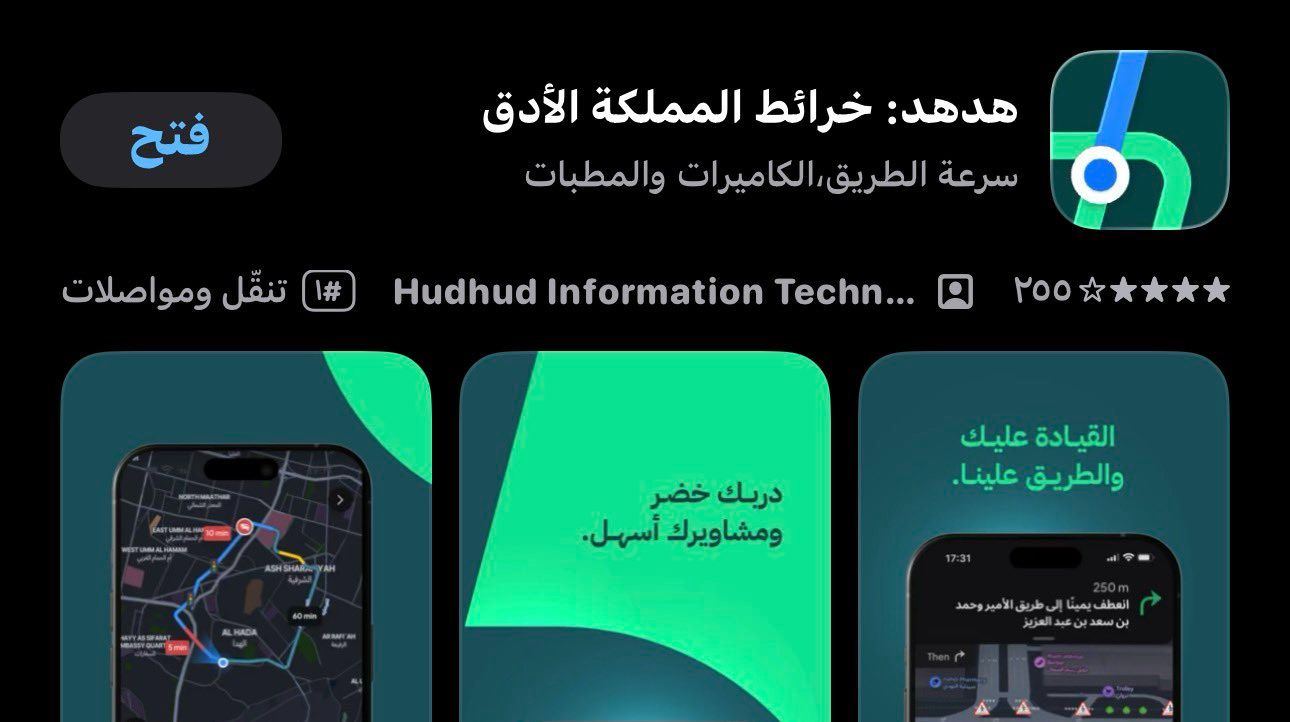
تم إطلاق تطبيق HudHud، وهو تطبيق سعودي للخرائط والملاحة، رسميًا بعد عامين من الاختبار، والبيانات المجمعة محليًا، وLiDAR والمسح الميداني، والتوجيه الصوتي العربي باللهجة السعودية، بالإضافة إلى إدارة الأسطول وواجهات برمجة التطبيقات للمطورين. (الوطن)
تكون الخرائط العالمية أكثر دقة في المناطق ذات الكثافة السكانية العالية حيث تكون دورات التحديث رخيصة التكلفة. تشهد المملكة عملية تطور واسعة، مع ظهور مناطق جديدة، وإعادة تسمية الشوارع، والطرق تتحدث بشكل أسرع من إمكانية تحديثها. وبالتالي، فإن التحدي الأساسي هنا هو معدل التحديث وليس التغطية الجغرافية.
قد يؤدي الولاء والفخر بهذا الانجاز زيادة في عدد التنزيلات، لكنه لا يضمن الاحتفاظ بها على المدى الطويل. يمكن لخطأ واحد أن يعيد السائق سريعًا إلى خرائط Google في أي وقت من اليوم. من المهم مراقبة الملاحظات والتعليقات ومعالجتها، يمكن أن تؤدي الرحلة الفاشلة إلى مسار مصحح وفقًا لسرعة Google. وإلى أن يحدث ذلك، فإن المنافسة لم تبدأ بالفعل.
من الميدان
يتم طرح النقاش حول تحديات مشابهة لتطبيق هدهد بانتظام. قد يلاحظ العميل وجود منافس في السوق ويسأل عن الميزة المحددة التي يمكن أن تساعده في اللحاق به. في بعض الأحيان هذا هو السؤال الصحيح الذي يجب طرحه. ومع ذلك، غالبًا لا تنبع الريادة التي يمتلكها المنافس من قدرة واحدة قام بتطويرها؛ بل ربما هي نتيجة سنوات من نقاط القوة المتراكمة التي لا يمكن نسخها بمجرد تقديم ميزة جديدة. في تلك الحالات، الوقت فقط وزيادة الحجم يمكن أن يساعدا في سد الفجوة. من الضروري تحديد نوع الفجوة التي تتعامل معها قبل تخصيص ميزانيتك، حيث ستختلف استراتيجيات سد هذه الفجوات بشكل كبير.